
Find Your Strength: The Smartest Way to Get Stronger
18 Nov 2025
Strength training builds on four foundations: fundamental movement, weight training, core strength, and explosive power. The old idea that it's just about heaving the heaviest weight in the room is long gone. Training for strength is, quite simply, one of the smartest things you can do for your body. It boosts your energy, strengthens your bones, builds mental resilience and confidence, and it's how you future-proof your health for the decades ahead.
This isn't a niche pursuit anymore, either. According to the Les Mills Global Fitness Report, strength training is now Gen Z's number one group workout of choice, and people of every age are embracing it for benefits that reach far past aesthetics into strength, balance and mental wellbeing.
Social media tells the same story. The hashtag #girlswholift has racked up over 12.8 billion views on TikTok, and searches for "weightlifting routine for women" have jumped a staggering 350% in just a few months. The message is clear. People want smarter, safer, genuinely enjoyable ways to build strength. So how do you find the approach that fits your body and your goals? It starts with the four foundations.
| The four foundationsFundamental movement, weight training, core strength, and explosive power. |
| How often should you train?Just 30 to 60 minutes a week improves lifespan and quality of life (BJSM). |
| Does lifting heavy make women bulky?No. It builds strength, resilience and bone density, not bulk. |
| Where should a beginner start?Master form before load. A certified trainer makes this faster and safer. |
Foundation 1: Fundamental strength
Getting the basics right is the most important step in your whole strength journey, and it comes down to understanding and nailing the fundamental movement patterns. Exercises like squats, lunges and deadlifts help you move better in everyday life. They build coordination, improve stability, and strengthen your joints and bones.
At Fitness First, we emphasise mastering form before adding weight, or as we'd call it, load. Building this foundation first reduces your risk of injury and prepares your body for the heavier lifts to come. That matters more with every passing year, which is exactly why it's worth getting right from the start.
Build your foundation with a coach
The safest, fastest way to start is with expert eyes on your form. Try Fitness First free, meet a trainer, and learn the fundamentals the right way from day one.
| ✓ Full club access | ✓ No strings attached | ✓ Book in minutes |
Prefer to talk first? Talk to a coach about your goals
Foundation 2: Weight training
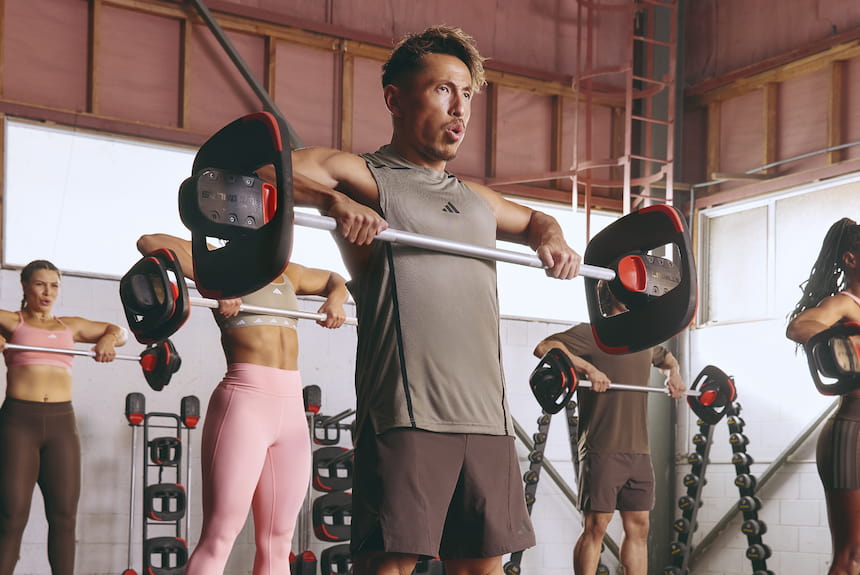
Once the fundamentals are solid, you can start lifting with a progressive approach. Traditional weight training with barbells, dumbbells and free weights is one of the most effective ways to build muscle and confidence. And to be clear: lifting heavier doesn't automatically make you bulky. It builds strength.
For women, cutting-edge research from experts like Dr. Stacy Sims confirms that lifting heavy is crucial for stimulating the central nervous system, especially as estrogen levels fluctuate or decline during perimenopause. This isn't about "toning." It's about building genuine resilience and power. Little wonder studies show 81% of Gen Z gym-goers now use free weights, motivated by strength, fitness and stress relief.
For beginners, this is where expert guidance pays off most. Our Fitness First certified trainers can coach you on correct form and progressive overload from your very first session. And if your goal is losing weight, reducing body fat, or boosting your metabolism, weight training belongs in your plan.
Foundation 3: Core strength
Core strength is talked about constantly and practised properly far less often. A solid, powerful core drives everything you do, from holding good posture and balance to boosting performance and protecting you from injury. But don't mistake this for chasing a six-pack. We're talking about the deep group of muscles through your trunk, your abdomen, back, hips and pelvis. The aim is deep stability, not surface aesthetics.
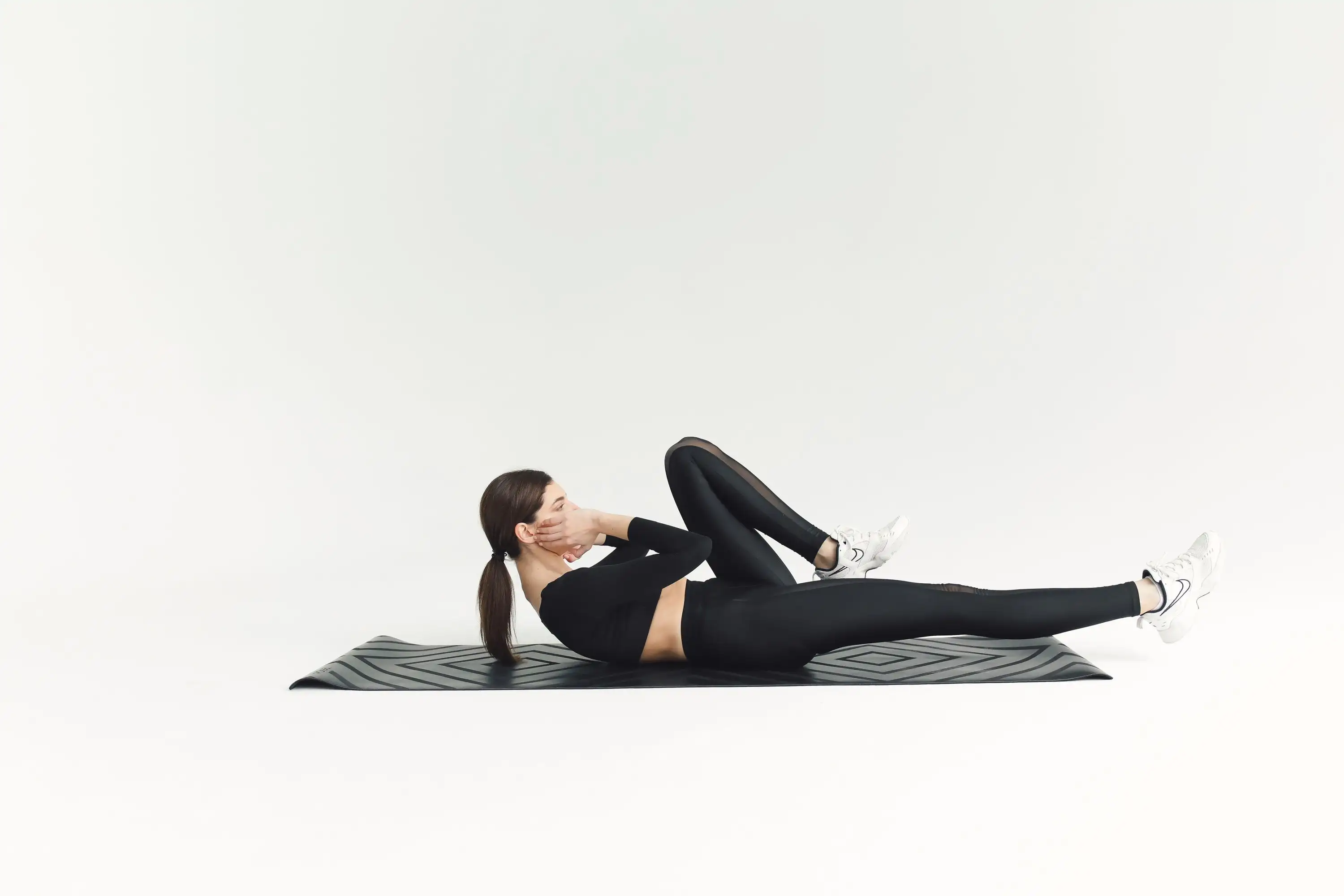
You can build this kind of strength through controlled bodyweight work, resistance techniques, and focused stability training. Whether you're advanced or just starting out, improving your core endurance will transform your functional fitness in ways you'll feel in every other lift and every ordinary day.
Foundation 4: Explosive strength
Once you've nailed the basics, you can tap into power and speed through explosive strength training. These are high-energy movements delivered in short, sharp bursts, such as box jumps, kettlebell swings, or weighted step-ups.
According to Dr. Sims' research, incorporating plyometric training, meaning jumps and explosive movements, is vital for improving bone mineral density. That's a key health marker for women in particular, especially around the onset of menopause, when bone mass loss accelerates. Explosive strength also builds real athleticism and reaction time, helping you move faster and perform better in any sport or activity. These dynamic sessions suit anyone wanting to push their limits and boost both metabolism and performance.
How to choose where to start
Every one of these foundations delivers real benefits, but the most effective approach is the one you'll actually enjoy and stick with. For most people, the smartest path is to build in order: master the fundamentals first, layer in weight training as your form solidifies, develop your core throughout, and add explosive work once you have a stable base.
You don't have to map this out alone. A certified trainer can assess where you are, build the right progression for your goals, and make sure each foundation is in place before you move to the next. That structure is the difference between guessing and genuinely getting stronger.
How often should you strength train?
Here's the reassuring part: you need less than you might think. Research from the British Journal of Sports Medicine shows that just 30 to 60 minutes of muscle-strengthening activity per week can lengthen your lifespan and improve your quality of life, with the greatest benefits when it's combined with aerobic exercise. You can read the full study here.
A well-balanced weekly routine could look like this:
- 2 strength sessions
- 3 to 4 cardio workouts
- 1 flexibility or mobility session
One rule worth following: avoid back-to-back strength training days, so your muscles have time to recover and grow. Recovery isn't the opposite of progress. It's when progress actually happens.
Not ready to commit? Try FitPass.
Commitment-free access with no monthly dues or long-term contracts. Buy credits (5, 10, 20, 30 or 50) and use one each time you train. Train on your terms.
Ready to find your strong?
Whether you're stepping into the weights zone for the first time or refining a lift you've done for years, Fitness First has a path for you. With expert personal training designed around your goals, you'll move better, feel stronger, and stay motivated, one deliberate session at a time.
Frequently asked questions
What are the different types of strength training?
There are four core foundations. Fundamental strength covers basic movement patterns like squats, lunges and deadlifts. Weight training uses barbells, dumbbells and free weights to build muscle and power. Core strength develops the deep muscles of your trunk for stability and posture. Explosive strength uses fast, powerful movements like box jumps and kettlebell swings to build athleticism and bone density.
How often should you strength train?
Research in the British Journal of Sports Medicine shows just 30 to 60 minutes of muscle-strengthening activity per week improves lifespan and quality of life, with the greatest benefits when combined with aerobic exercise. A balanced week might include two strength sessions, three to four cardio workouts, and one flexibility session. Avoid back-to-back strength days so muscles can recover.
Does lifting heavy weights make women bulky?
No. Lifting heavier enhances strength rather than automatically adding bulk. Research shows lifting heavy is especially valuable for women, helping stimulate the central nervous system and support bone density, particularly as estrogen changes around perimenopause and menopause. It's about resilience and power, not simply toning.
Do I need to be experienced to start strength training?
No. Start by mastering fundamental movements and correct form before adding load. This builds a safe foundation and reduces injury risk. A certified personal trainer can guide you through proper technique and progressive overload from day one, the fastest and safest way for a beginner to build real strength.