
Strong in Mid-Life: Your Strongest Years Can Still Be Ahead of You
02 Sep 2026
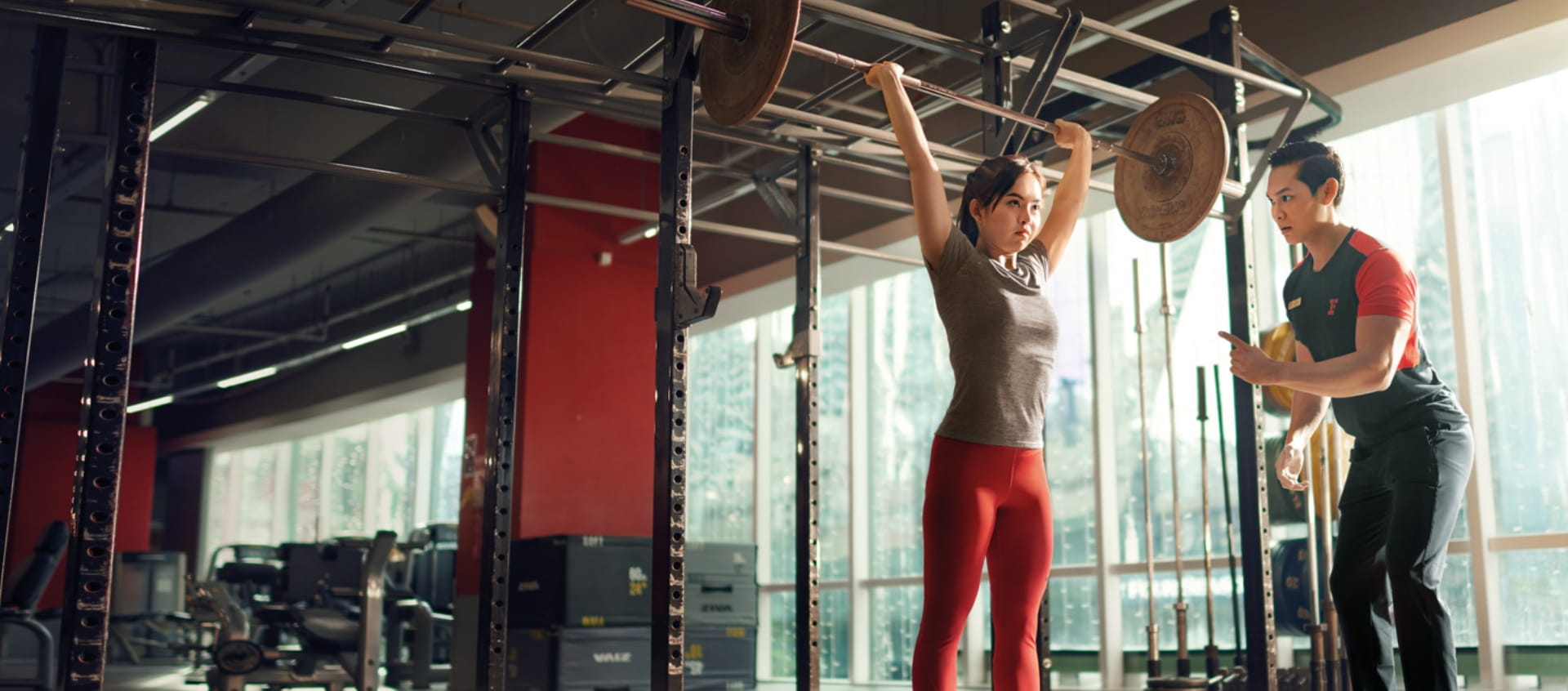
Starting strength training after 40 or midlife is one of the best things you can do for your body, and it's never too late to begin. Somewhere along the way, we picked up the idea that our 40s are when the body starts its slow decline, and the best we can hope for is to slow it down. That idea is not just discouraging. It's wrong.
Your 40s and beyond can be some of your strongest, most capable years. Not in spite of your age, but because this is exactly when training for strength pays off the most. The goal shifts, and for the better. It's less about how you look and more about how you live: moving freely, staying independent, keeping up with your kids or grandkids, and doing the things you love without your body getting in the way.
This is your practical roadmap for making it happen: why muscle becomes your greatest ally now, how to start simply and confidently, and how to build the kind of strength that pays you back for the next forty years and beyond.
Why muscle is the currency of a strong, long life
Here's the shift worth making. Muscle isn't just about looking toned or lifting heavy. It's the single most valuable physical asset you carry into your later decades, and the good news is that building it is entirely within your control.
From around your 40s, the body naturally loses muscle if you give it no reason to keep it. That quiet loss is behind so many of the things people wrongly write off as "just getting older": the weaker grip, the stiffer mornings, the caution on the stairs, the fall that doesn't bounce back the way it used to. But here's the empowering part. That process isn't a one-way street. Resistance training doesn't just slow the loss, it actively rebuilds. Your muscles genuinely do not check your age before they respond to training.
And the benefits reach far beyond the gym floor:
- You stay capable and independent. Strength is what lets you carry your own shopping, lift a suitcase into an overhead locker, get up off the floor with ease, and keep doing all of it for decades to come.
- Your joints get protection, not punishment. Strong muscles support and stabilise the joints around them, which often means fewer aches, not more.
- Your bones stay resilient. Lifting places healthy stress on your skeleton, which keeps it dense and strong. That matters enormously as you age, especially for women.
- Your metabolism stays awake. Muscle is active tissue that burns energy even at rest, which is one of the best defences against the slow midlife creep on the scale.
- You feel sharper and steadier. Strength training lifts mood, eases stress, and improves sleep, the everyday wins that make the biggest difference to how life actually feels.
This is the real reward of training for longevity: not chasing a younger body, but building one that stays strong, mobile and ready for whatever you throw at it. Strength is one pillar of that. Keeping a healthy, active weight is another, and the two reinforce each other in ways that make everyday life feel genuinely easier as the years go on.
| Is it too late to start after 40?Not at all. Your body responds to training at any age. Starting now is the smart move. |
| How often should I train?2 to 3 full-body sessions a week, on non-consecutive days. Recovery is part of the plan. |
| Will lifting make women bulky?No. It builds a leaner, stronger body and protects bone density, especially around menopause. |
| Is it safe for my joints?Yes. Strong muscles protect joints. Good form and gradual progress are what keep it safe. |
Clearing up the fears that hold people back
Most people over 40 don't avoid the weights room because they're lazy. They avoid it because of a handful of myths that sound reasonable but simply aren't true. Let's clear them out of the way.
"I'll hurt myself." Strength training, done with good form and sensible progression, is one of the safest things you can do, and it makes you far more resilient to injury in daily life. The risk isn't in lifting. It's in staying weak.
"Lifting will make me bulky." It won't. Building large muscle takes conditions most people never meet on purpose, and for women, the hormones for that kind of size simply aren't there. What you get instead is leaner, stronger and more defined, something every woman deserves to know before she picks up her first weight.
"It's too late for me." This is the big one, and it's the most wrong. Your body is ready to get stronger today, whatever your age. The people who start in their 40s, 50s and beyond are consistently amazed at how quickly it responds. Starting now isn't late. It's the smartest thing you can do for the next few decades of your life.
How to start: simple, safe and sustainable
Good news: this is simpler than it looks. You don't need a complicated programme or hours in the gym. Just a handful of good movements, done consistently, with recovery built in. Here's how it comes together.
Master the movements that matter
A few compound exercises, the kind that work several muscles at once, will take you remarkably far. They also happen to be the ones that carry straight over into everyday life:
- Squats for strong legs and the ability to get up and down with ease.
- Hinges like a deadlift or hip thrust, for a powerful back and hips.
- Pushes like a press or push-up, for the upper body strength you use every day.
- Pulls like a row, for posture and a strong back.
- Loaded carries, simply walking while holding weight, for full-body, real-world strength.
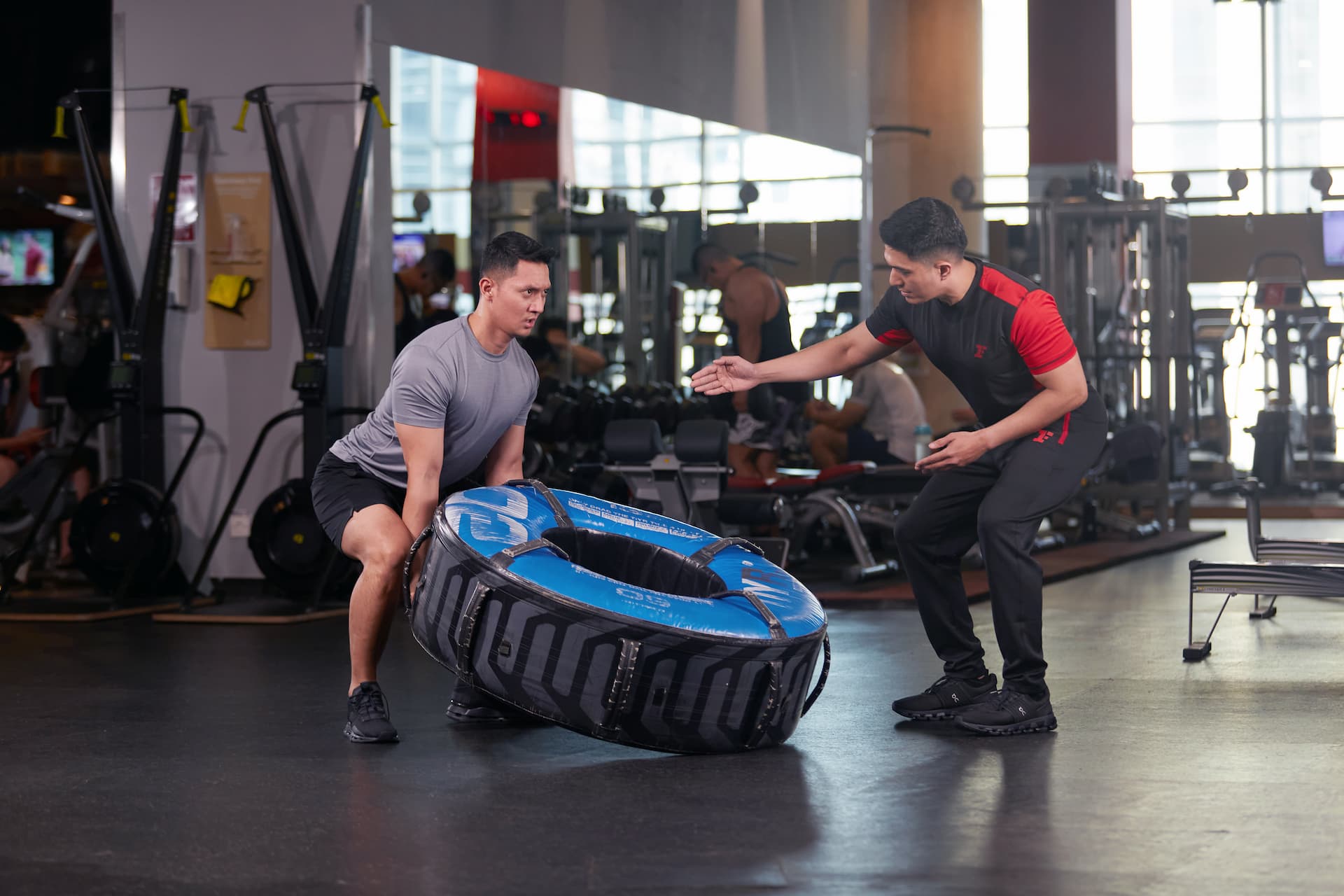
Start light, focus on doing them well, and let your confidence build with your strength. Each of these lifts has a knack to it, and getting the fundamentals right from the start is what turns them from intimidating to second nature.
Don't skip mobility
After 40, how well you move matters as much as how much you can lift. A few minutes of mobility work keeps your hips, shoulders and spine moving freely, which makes every lift safer and every ordinary day easier. This is where something like Pilates earns its place beautifully, building the deep core strength, stability and control that complement your lifting perfectly. If you're not sure where to begin, a few of the best classes for core strength and stability are a welcoming first step.
Respect recovery like it's part of the training
Here's the one genuine change that comes with age, and it's easy to work with once you know it. Your body rebuilds a little more slowly than it used to, which makes recovery more important, not less. Muscle is built between sessions, not during them, so those rest days are when the magic actually happens. Prioritise sleep, leave a day between strength sessions, and treat recovery as part of your programme rather than an afterthought. A good night's sleep does more for your progress than almost anything else, a few simple habits after each session keep you feeling fresh, and foam rolling eases the stiffness that can creep in early on.
Start strong, with an expert in your corner
The fastest, safest way to start after 40 is with a coach who builds the plan around your body, your goals and any old niggles. You'll learn proper form from day one and progress with total confidence.
| ✓ A plan built for your body | ✓ Safe, confident progression | ✓ Expert form coaching |
New to this? See what to expect from your first session
What a simple week can look like
You don't need to overthink this. A realistic, sustainable week might look like:
- Two full-body strength sessions, on non-consecutive days, built around the compound movements above.
- One mobility or Pilates session, to keep you moving freely and support your lifting.
- Easy movement on the other days, like walking, so you stay active without taxing your recovery.
That's it. Three focused sessions a week, and you're doing more for your long-term health than almost anything else on offer. As you get stronger and recovery feels easy, you can add a third strength day, but you'll get remarkable results long before you need to.
Where a coach makes the biggest difference
You can absolutely start on your own. But if there's ever a time that expert guidance is worth it, this is it. Starting after 40, often after years away from training or with the odd niggle to work around, is exactly when a good coach earns their keep.
A trainer builds the plan around you, teaches you proper technique from the very first session so you progress with confidence instead of caution, and adjusts things intelligently as you get stronger. It takes the guesswork and the worry out of starting, which for many people is the difference between beginning and forever putting it off. If you're weighing it up, it's worth understanding when a personal trainer is genuinely worth it and exactly how personal training works before you decide.
However you choose to start, the most important thing is simply this: start. Your future self, strong, capable and still doing everything you love, will thank you for it. Explore membership options at Fitness First and take the first step today.
Try Fitness First for free
Come and experience Fitness First for yourself, and meet the coaches who make starting after 40 feel easy. No card, no commitment, just a proper first session and a plan to build on.
Frequently asked questions
Is it too late to start strength training after 40?
No. Starting in your 40s is one of the smartest health decisions you can make, and your body responds to training at any age. After 40 you naturally lose muscle faster if you do nothing, but resistance training reverses that, rebuilding strength, protecting your joints and bones, and keeping you capable for decades. The best time to start was years ago. The second best time is now.
How often should you strength train in your 40s?
Two to three full-body sessions a week, on non-consecutive days, is plenty to build real strength. Recovery matters more now than it did in your 20s, so rest days between sessions are part of the plan. Consistency over months beats intensity in any single week, so a sustainable two or three sessions will always outperform an ambitious five you abandon.
Will lifting weights make women bulky after 40?
No. Women don't have the testosterone levels to build large, bulky muscle by accident, and that becomes even truer with age. What strength training gives women in their 40s is a leaner, stronger, more toned body, better bone density, and protection against the muscle loss that accelerates around menopause. Lifting builds capability and confidence, not bulk.
Is strength training safe for your joints after 40?
Yes, and done properly it protects your joints rather than harming them. Strong muscles support and stabilise the joints around them, which reduces aches and lowers injury risk in everyday life. The key is good form, a proper warm-up, and progressing gradually. If you're unsure where to start or have an existing issue, a session or two with a trainer will get you moving safely.
What is the best exercise for building strength after 40?
Compound movements that train several muscles at once give you the most benefit for your time: squats, hinges like deadlifts and hip thrusts, presses, rows and loaded carries. These build practical, full-body strength that carries directly into everyday life. Add some mobility and core work, and you have a complete, joint-friendly foundation.
Related Articles
How to Read Real Fitness Progress Like a Coach
18 Aug 2026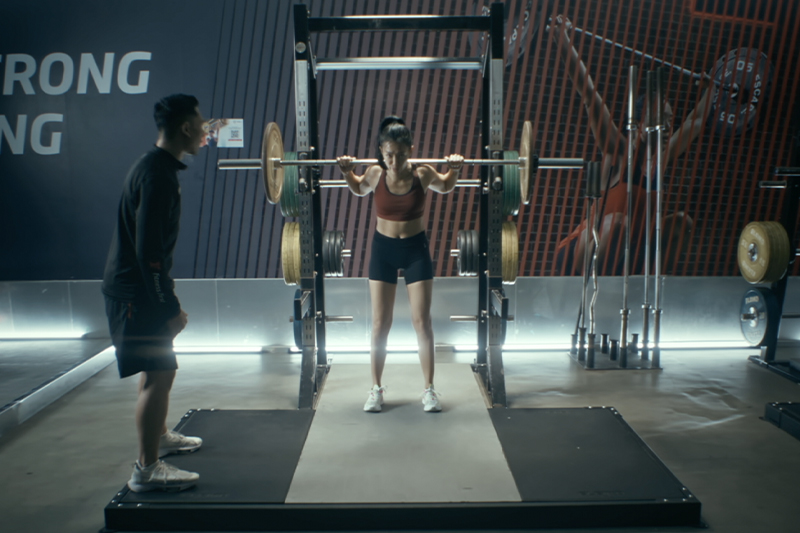
.jpg)